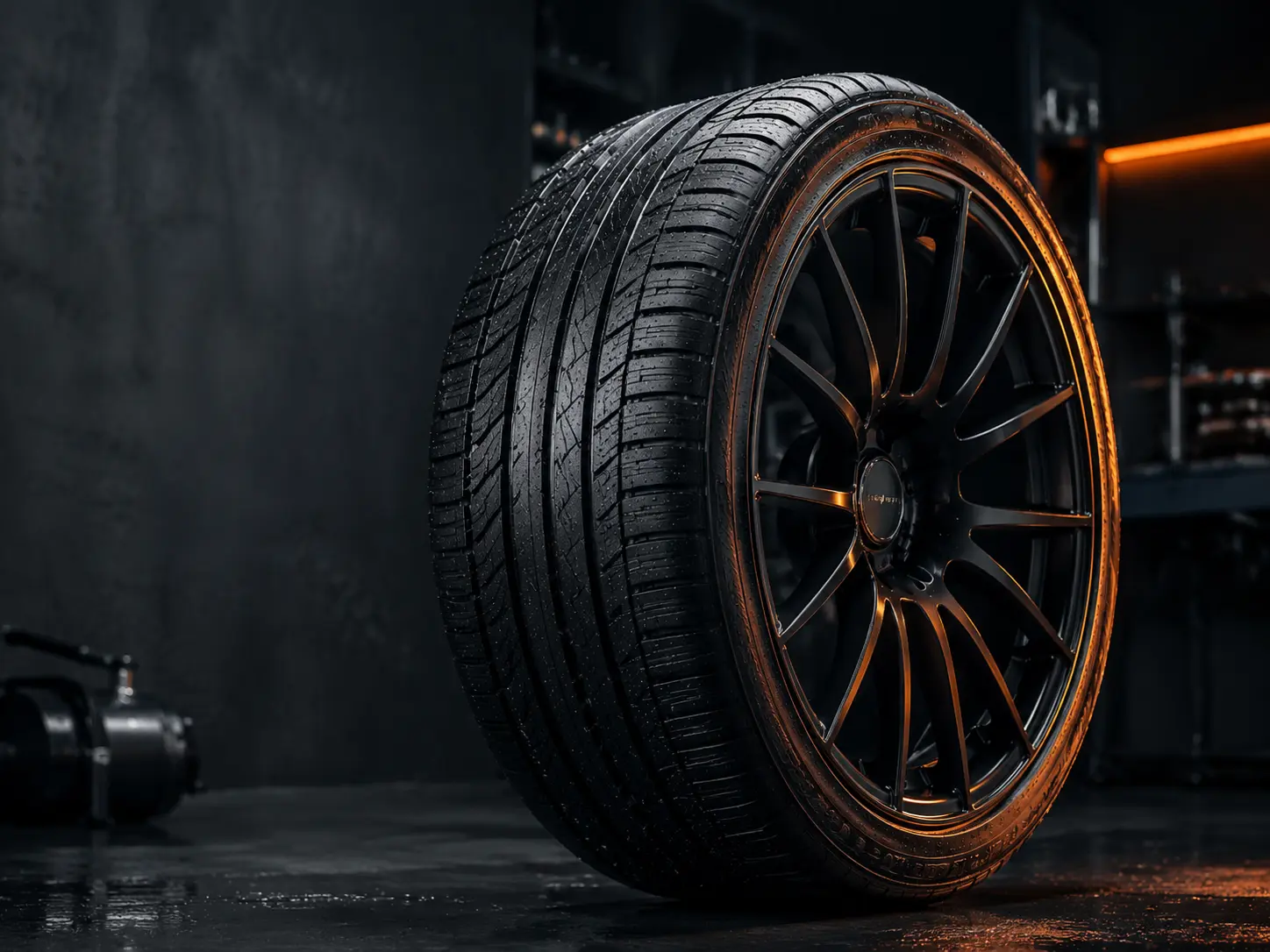
A small puncture in the central tread area may be repairable. Damage close to the shoulder or sidewall is much more serious because these areas flex and carry high loads.
Damage that may be repairable
A clean nail or screw puncture within the main tread area can often be repaired when the hole is small, the tyre has safe remaining tread and it has not been driven while flat. The tyre should be removed and inspected internally before the final decision.
A temporary external plug is not the same as a professional internal repair. The correct repair method depends on the tyre, puncture and manufacturer guidance.
Damage that normally requires replacement
Sidewall cuts, shoulder punctures, bulges, exposed cords, deep cracking and impact damage are usually unsafe to repair. A tyre that has been driven flat may have hidden internal damage even when the outside looks acceptable.
Tyre age and tread condition also matter
Repairing a puncture does not correct an old, cracked or worn tyre. Check the manufacturing date code, tread depth and overall condition. Dubai heat can accelerate ageing, particularly when pressure is neglected or the vehicle remains parked outdoors for long periods.
When to request an inspection
Arrange an inspection if pressure keeps dropping, the dashboard pressure warning returns, the vehicle vibrates or you can see any cut, bulge or penetration. Do not rely on appearance alone when the tyre has suffered a hard impact.
What happens during mobile tyre service?
The technician checks the damage location, tread, sidewall and visible wheel condition. If repair is safe, the tyre can be repaired using the appropriate method. If not, a correctly sized replacement tyre can be supplied and fitted at your location.